
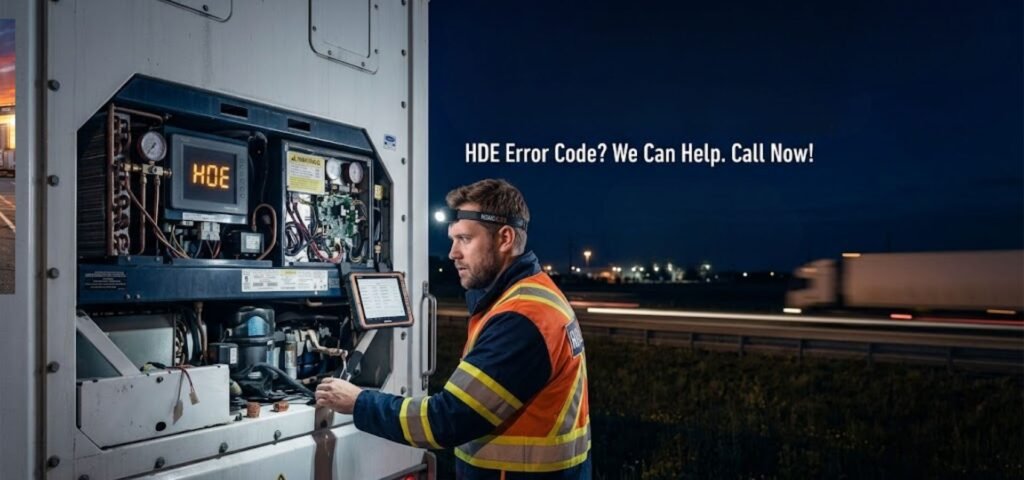
The Greater Toronto Area (GTA) serves as Canada’s primary freight distribution artery. With critical transit corridors like Highway 401, 410, and 427 handling millions of tonnes of perishable freight annually, truck drivers in the region face unique operational demands. Central to this supply chain is transport refrigeration. Whether hauling produce from California, meat across provincial lines, or temperature-sensitive pharmaceuticals destined for Toronto clinics, drivers rely entirely on their reefer units to protect cargo integrity.
When a refrigeration unit fails in heavy traffic or extreme Canadian weather, the consequences are immediate. Cargo spoilage can cost tens of thousands of dollars, and missed delivery windows can sever key shipper relationships. Understanding the breakdown risks associated with leading brands—such as Thermo King and Carrier Transicold—and knowing how mobile service providers like Road Safe step in during critical moments is vital for every GTA driver and fleet operator.
Are You Dealing with Harsh GTA Operating Conditions?
The GTA’s harsh winter freezes, humid summer heatwaves, and notoriously congested roadways put immense stress on transport refrigeration systems. Drivers operating Thermo King and Carrier units routinely encounter several technical hurdles:
Extreme Seasonal Strain: Toronto’s summer temperatures can cause high discharge pressures and overheating in condenser coils. Conversely, freeze-thaw cycles in winter promote moisture accumulation in fuel lines, leading to frozen filters, gelled diesel, or starting failure.
Electrical & Sensor Glitches: Frequent highway vibrations and road salt exposure cause wiring harness corrosion, loose terminal connections, and sensor failures. Faulty microprocessors or damaged air-return sensors often trigger inaccurate temperature readings, risking entire loads.
Engine & Compressor Wear: Continuous micro-cycling or running on high-speed pull-down for hours causes severe engine wear, belt fraying, or compressor seal leaks.
Gridlock and Extended Idle: Gridlock along GTA corridors forces reefer diesel engines to run continuously on standby for extended durations, increasing air filter clogging and oil degradation.
Are You Struggling to Diagnose Thermo King or Carrier Errors?
Both Thermo King and Carrier Transicold represent the gold standard in cold chain logistics, yet each system behaves differently when encountering a mechanical fault. Understanding their diagnostic languages helps drivers respond quickly before calling for roadside assistance.
| Feature / Issue | Thermo King Systems | Carrier Transicold Systems |
|---|---|---|
| Fault Code Display | Uses numerical alarm codes (e.g., Code 15 for low fuel pressure, Code 32 for high discharge pressure, Code 100 for engine failure to start). | Uses alphanumeric codes (e.g., AL-1 for low suction pressure, SH-2 for high superheat, dF for defrost cycle issues). |
| Common Failure Point | Fuel delivery issues, alternator/belt wear, and sensor communication errors. | Microprocessor board faults, evaporator fan motor failures, and expansion valve issues. |
| Pre-Trip Inspection Focus | Checking oil levels, belt tension, microprocessor alarms, and battery charge. | Inspecting refrigerant sight glass, electrical harnesses, and defrost drain lines. |
When an alarm code flashes on either display, time is of the essence. Drivers must safely pull over, note the exact fault code, inspect visual components (such as loose belts or fluid leaks), and seek expert support if the issue cannot be resolved on site.
Are You Following Proper Preventative Maintenance Procedures?
Avoiding roadside emergencies requires proactive care. Implementing a structured maintenance routine drastically reduces the likelihood of unit failure:
Conduct Daily Pre-Trip Checks (PTI): Run full diagnostic self-tests on Thermo King and Carrier controllers prior to loading.
Inspect Belts, Hoses, and Fluids: Check belt tension, inspect fuel and coolant lines for cracks, and ensure engine oil is clean.
Clean Condenser and Evaporator Coils: Dirt, road salt, and debris reduce thermal efficiency, forcing the engine to overwork.
Check Door Seals and Bulkheads: Damaged gaskets or blocked airflow channels lead to temperature fluctuations inside the trailer box.
Are You Searching for Fast Emergency Mobile Repair in the GTA?
When preventative steps fall short and a unit shuts down mid-route, quick access to specialized mobile repair is vital. This is where Road Safe delivers critical value to commercial drivers and fleet owners across the Greater Toronto Area.
Dedicated to keeping the cold chain intact, Road Safe provides rapid, reliable mobile reefer repair and emergency roadside support. Whether a Thermo King unit drops an alarm code near Brampton or a Carrier engine shuts off along the 401 in Mississauga, certified Road Safe technicians arrive fully equipped to diagnose, service, and restore system performance.
From clearing clogged fuel systems and resolving electrical faults to fixing refrigerant leaks and replacing broken belts, Road Safe minimizes downtime and safeguards valuable cargo. Partnering with Road Safe gives drivers the confidence that expert support is always within reach across the GTA’s busiest transport networks.
Frequently Asked Questions
What are the most common causes of reefer unit breakdowns in the GTA?
Extreme weather, road vibration-induced sensor errors, clogged fuel lines during winter, and compressor or belt wear from extended traffic idling.
How do I clear a fault code on Thermo King or Carrier units?
Note the exact code, safely pull over, check basic components (fuel level, belts, doors), and clear non-critical alarms via the controller menu; contact Road Safe if the code persists.
Does Road Safe offer 24/7 mobile repair across the Greater Toronto Area?
Yes, Road Safe provides 24/7 emergency roadside reefer repair across all major GTA highways and surrounding transport hubs.
What is the difference between Thermo King and Carrier diagnostic alarms?
Thermo King uses numerical alarm codes (e.g., Code 15, Code 32), while Carrier Transicold uses alphanumeric fault displays (e.g., AL-1, SH-2).
How often should I perform a reefer pre-trip inspection (PTI)?
Conduct a full automated PTI and manual visual check before every load to catch low fluids, loose belts, or minor sensor issues early.
