
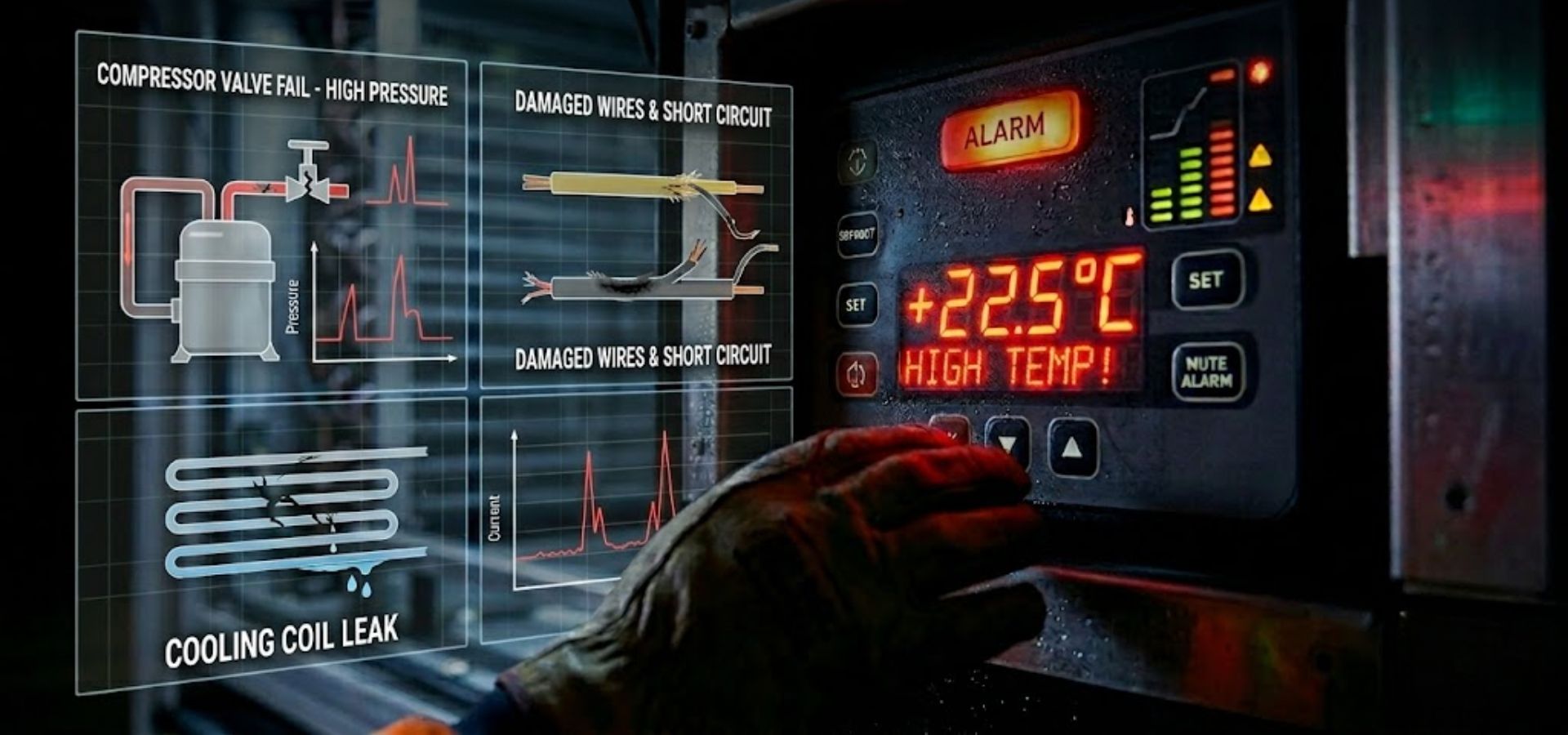
In the fast-paced world of cold chain logistics, a refrigerated trailer—commonly known as a reefer—is the unsung hero of the supply chain. Whether you are hauling fresh produce, dairy products, frozen meats, or highly sensitive pharmaceuticals, the integrity of your cargo depends entirely on the reliability of your reefer unit. A sudden equipment malfunction mid-transit does not just mean a delayed shipment; it can result in tens of thousands of dollars in spoiled cargo, compromised fleet reputation, and severe financial penalties.
While catastrophic mechanical failures can seem sudden, reefer units almost always drop subtle hints before they stop working completely. Recognizing these warnings early allows fleet managers and owner-operators to schedule preventative service before a minor glitch snowballs into an emergency roadside disaster.
At Road Safe, we believe that proactive maintenance is the ultimate key to fleet longevity and cargo security. To help you keep your operations running smoothly, we have compiled the three most critical warning signs that indicate your reefer unit is on the verge of failure.
Sign 1: Inconsistent Temperature Readings and Inability to Maintain Set Points
The primary function of any reefer unit is simple: establish a precise temperature and maintain it consistently throughout the entire journey, regardless of external weather conditions. When a system begins to struggle with this core objective, it is a definitive red flag that mechanical or electrical failure is imminent.
Understanding Temperature Fluctuations
If your driver notices that the temperature inside the trailer is fluctuating wildly or takes an unusually long time to reach the desired set point (known as “pull-down time”), the system is under duress. A healthy reefer unit should efficiently drop the ambient temperature to the required setting and lock it in place.
Temperature instability typically manifests in a few distinct ways:
Continuous Running (Long-Cycling): The reefer engine runs continuously at high speed without ever transitioning to low speed or cycling off. This indicates that the system is working overtime to compensate for a deficiency, putting extreme wear and tear on the internal components.
Frequent Short-Cycling: The unit repeatedly starts up and shuts down within a span of a few minutes. Short-cycling prevents the trailer from achieving uniform cooling and places massive stress on the starter, battery, and compressor.
Gradual Temperature Creep: The internal trailer temperature slowly rises over several hours, completely ignoring the programmed settings on the microprocessor controller.
The Underlying Culprits
When temperature control begins to fail, it is usually tied to one of three main systemic issues:
Refrigerant Leaks: Low refrigerant levels mean the system cannot absorb and dissipate heat effectively. Even a tiny pinhole leak in the condenser or evaporator coils will gradually drain the system’s cooling capacity.
Failing Compressor: Often referred to as the heart of the refrigeration system, the compressor pumps refrigerant through the unit. If the compressor valves are worn or internal seals are failing, it cannot pressurize the refrigerant sufficiently to cool the trailer.
Sensor Calibration Errors: Sometimes the mechanical components are fine, but the return air or discharge air sensors are miscalibrated. If the computer receives incorrect data, it will not cool the cargo space accurately, leading to hot spots or accidental freezing.
If you notice your cargo temperatures drifting out of the safe zone, it is time to contact Road Safe for a comprehensive diagnostics check before the unit quits entirely.
Sign 2: Unusual Mechanical Noises and Severe Vibrations
Experienced truck drivers develop an acute ear for the sounds of their rigs. They know exactly what a smoothly idling diesel reefer engine sounds like from the cab. When that familiar, steady hum transforms into an erratic, noisy racket, it is a clear indication that something is mechanically amiss behind the bulkhead.
Identifying Dangerous Sounds
Reefer units inherently produce noise and minor vibrations due to the diesel engine, compressor, and large evaporator fans. However, you should immediately flag any of the following auditory warnings:
Squealing or Screeching: High-pitched shrieks usually point directly to worn, loose, or misaligned belts. It can also indicate a failing bearing within the alternator, water pump, or idler pulley. If a belt snaps during a haul, the entire unit will instantly shut down.
Grinding or Clanking: Loud metallic grinding sounds are often the death rattle of a failing compressor clutch or internal compressor components. It can also mean that the fan blades are misaligned and striking the housing shroud.
Rhythmic Knocking: A deep knocking sound from the reefer’s diesel engine could signal severe internal engine wear, such as damaged rods or bearings, requiring immediate mechanical intervention.
The Danger of Excessive Vibration
Sound is not the only sensory cue; excessive physical vibration is equally dangerous. While reefers are built with rubber vibration dampeners to isolate the unit’s movement from the trailer frame, these mounts degrade over time.
When a reefer vibrates violently, it triggers a destructive chain reaction. Intense vibrations can cause copper refrigerant lines to crack, loosen electrical wiring harnesses, back out critical mounting bolts, and crack the solder joints on the control board. If your trailer shakes excessively when the reefer engages, the unit needs immediate structural and mechanical evaluation.
Sign 3: Persistent Alarm Codes and Visible Fluid Leaks
Modern reefer units are equipped with sophisticated onboard diagnostic computers designed to monitor system health in real time. Ignoring the visual warnings provided by these systems is one of the most common causes of preventable cargo loss.
Deciphering the Control Panel
When the microprocessor controller detects an anomaly, it generates a specific alarm code. While some codes are minor notifications (such as a reminder for a scheduled oil change), many are critical alerts indicating that the system is operating outside of safe parameters.
Common high-priority alerts include:
Low Oil Pressure / High Coolant Temperature: Indicates the diesel engine driving the compressor is at risk of seizing.
Defrost Cycle Malfunctions: Suggests that ice is accumulating on the evaporator coils, restricting airflow and blocking the cooling process.
Sensor Out-of-Range Codes: Indicates the system can no longer accurately read the temperature, disabling its ability to adjust cooling levels safely.
Pro Tip from Road Safe: Never simply clear an alarm code to get through a shift. If a code appears repeatedly, the system is telling you that a critical failure is imminent. Treat every persistent alarm code as an urgent service request.
Spotting Tells via Visual Inspections
A thorough walk-around inspection can reveal fluid leaks before they cause a total system shutdown. A failing reefer will often leave clear physical evidence on the ground or down the front face of the trailer:
Engine Oil and Coolant: Puddles of bright green, red, or amber fluid indicate a cooling system leak, while dark brown or black puddles point to an engine oil leak. Low fluid levels cause the reefer engine to overheat and fail.
Refrigerant Oil Stains: Because refrigerant gas escapes invisibly into the atmosphere, leaks can be tough to spot. However, refrigerant gas carries a specialized synthetic oil to lubricate the compressor. If you notice oily residues, dirt accumulation, or wet spots along the copper lines, fittings, or coils, you are likely looking at a refrigerant leak.
| Leak Type | Common Appearance | Primary Risk Factor |
| Coolant Leak | Bright Green / Red / Orange fluid | Engine overheating and total seizure |
| Engine Oil Leak | Dark Brown / Black viscous fluid | Internal engine friction and mechanical failure |
| Refrigerant Leak | Clear oily residue attracting dirt/dust | Loss of cooling capacity and compressor burnout |
The True Cost of Ignoring the Warnings
Waiting for a reefer unit to completely break down before booking a repair is an incredibly expensive gamble. The financial repercussions extend far beyond the price of fixing the mechanical component itself:
Total Cargo Loss: A single trailer loaded with high-value cargo like fresh seafood, ice cream, or biological pharmaceuticals can easily be worth $50,000 to over $200,000. If the temperature drops or spikes for just a few hours, the entire load can be rejected at the receiving dock, triggering complex insurance claims and massive deductibles.
Emergency Roadside Service Fees: Getting a certified refrigeration technician out to a stranded truck on the side of a highway at 2:00 AM incurs steep emergency call-out fees, mileage surcharges, and premium labor rates.
Towing and Logistics Chaos: If the unit cannot be fixed on the shoulder, the cargo must be cross-docked to a functional refrigerated trailer immediately, adding extra labor costs, expediting fees, and logistical headaches.
Damaged Customer Relationships: In the shipping industry, reliability is everything. Repeatedly delivering spoiled or delayed goods because of poorly maintained equipment will cause brokers and shippers to take their business elsewhere.
Preventative Strategies: The Road Safe Way
The absolute best way to handle a reefer failure is to prevent it from happening in the first place. By establishing a rigid preventative maintenance routine, you can catch worn components long before they disrupt a live haul.
The Essential Pre-Trip Checklist
Before every single trip, drivers should perform a dedicated reefer inspection:
Check Fluid Levels: Verify that engine oil, engine coolant, and fuel levels are topped off.
Inspect Belts and Hoses: Look for signs of cracking, fraying, splitting, or excessive slack in all drive belts and coolant hoses.
Clear the Airflow: Ensure the evaporator and condenser coils are free of debris, plastic wrap, trash, and dirt that could restrict vital airflow.
Inspect Trailer Seals: Check the trailer door gaskets and insulation. A reefer unit cannot do its job if cold air is constantly escaping through worn-out seals.
Run a Pre-Trip Diagnostic: Utilize the reefer controller’s built-in automatic pre-trip test function. This automated program runs the unit through its paces, checks electrical circuits, and tests the cooling and heating modes before you load the cargo.
Partner with the Experts
No matter how diligent your pre-trip checks are, commercial refrigeration units are highly complex systems that combine diesel engine mechanics, intricate electrical networks, and precise chemical refrigeration cycles. They require specialized tools and deep technical knowledge to service correctly.
That is where Road Safe comes in. Our team of certified technicians is fully equipped to handle everything from routine oil and filter changes to complex compressor overhauls, electrical troubleshooting, and precision refrigerant leak detection. We utilize state-of-the-art diagnostic equipment to pinpoint underlying issues quickly, minimizing your fleet’s downtime and keeping your trucks moving safely down the highway.
Conclusion
Your reefer unit works tirelessly to protect your cargo, your profit margins, and your professional reputation. By training your team to spot irregular temperature fluctuations, unusual mechanical sounds, severe vibrations, persistent alarm codes, and suspicious fluid leaks, you can stop a major breakdown in its tracks.
Do not wait for an active alarm light to derail your next delivery. If you have noticed any of these warning signs in your fleet vehicles, contact the professionals at Road Safe today to schedule an inspection and keep your cold chain operations entirely secure.
